Batteries
Where the battery physically goes changes how long it lasts
Temperature governs the ageing rate of every cell, so the difference between a loft and an unheated garage is measured in years of service life.
By Daniel Okonkwo4 min read

Temperature is the variable the owner controls
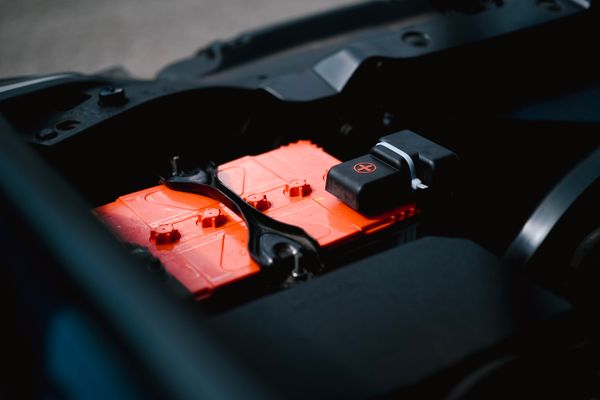
Two things age a battery: the cycling you do to it, and the simple passage of time at whatever temperature it happens to be sitting. The second is called calendar ageing, and it is driven by chemical reactions inside the cell that proceed faster when it is warm. As a rough guide, chemical reaction rates rise steeply with temperature, so a battery kept persistently hot ages noticeably faster than one kept cool.
Cold isn’t the opposite blessing. Low temperatures thicken the electrolyte and slow the movement of ions, which reduces the power the battery can deliver and, more importantly, limits how fast it can safely be charged. Below freezing, charging risks plating lithium onto the anode, and a well-designed system will simply refuse or will warm the cells first.
The comfortable range is roughly the range people find comfortable. A location that stays between about ten and twenty-five degrees for most of the year is a good location, and one that swings from below freezing in January to well above thirty in July is not, however convenient it looks.
The loft is the worst place in the building
A loft is the most tempting site in many houses because it is empty and out of the way. It is also the hottest space in summer, sitting directly beneath a roof that has been absorbing sunlight all day, and among the coldest in winter if the insulation is at ceiling level. That is the exact temperature cycle a battery least wants.
It is a poor site for three further reasons. The weight has to be carried by ceiling joists that were never designed for a point load. Access for installation and for any future service visit is awkward and sometimes dangerous. And a fault in a loft is a fault above the escape route from the bedrooms, which is why several national codes now restrict it outright.
A garage is usually much better. It is at ground level, it has a solid floor, access is easy, the temperature swing is moderated by the ground and the walls, and a fault there is contained away from sleeping areas. An unheated garage in a cold climate can drop low enough to matter, which is a solvable problem rather than a disqualifying one.
Outside is viable if the enclosure is built for it
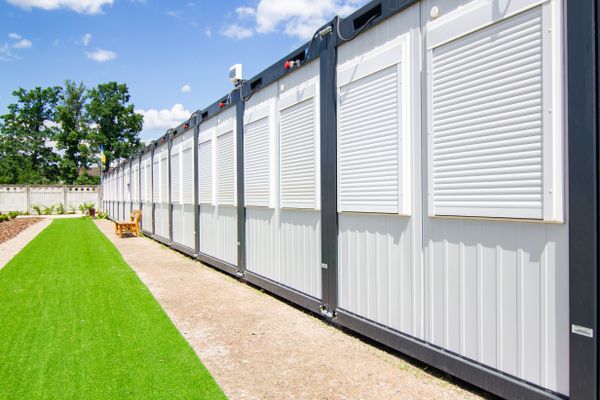
External installation removes the fire question from inside the building entirely, which is why it is increasingly favoured. It requires a unit rated for outdoor use, with a genuine ingress rating and an enclosure that will still be weathertight after a decade of ultraviolet exposure and thermal cycling.
The catch is thermal. An outdoor unit in a hot climate needs shade, because direct sun on a dark enclosure adds a great deal of heat to something already generating its own. In a cold climate it needs either internal heating or a manufacturer specification that covers the local winter, and heating draws power from the battery, which quietly reduces the useful capacity in exactly the season when consumption peaks.
North-facing walls, shaded alleys and the sheltered side of a garage are all better than a sunlit south wall. It is the same reasoning that governs where a refrigerator should stand, applied to a much more expensive appliance.
The practical constraints that decide it in the end
Weight comes first. Home batteries are heavy, and a wall-mounted unit needs masonry or a properly reinforced timber frame rather than plasterboard and hope. A floor-standing unit needs a floor that will take a concentrated load, which rules out some suspended timber floors without strengthening.
Cable routing comes second and costs more than people expect. The battery has to reach the inverter and the consumer unit, and every metre of cable is labour, containment and a small resistive loss. Siting a battery at the far end of a house from the electrical intake can add a surprising amount to a quotation for no benefit whatsoever.
Then the small things that get forgotten. Batteries and their inverters have fans, and fans are audible, so a bedroom wall is a poor choice even where regulations allow it. Flood risk matters at ground level. Clearances specified in the manual aren’t suggestions. And the unit needs to be reachable for service without dismantling anything, because at some point somebody will have to work on it.
Regulation is the part that varies most
Almost everything above is physics and applies anywhere. The rules governing where a battery may legally be installed aren’t physics, and they differ sharply between countries and sometimes between local authorities. Restrictions on proximity to escape routes, on habitable rooms, on separation from other buildings and on required detection are all common, and all are moving.
Where the regulation is prescriptive, it usually reflects a reasonable analysis of what a fire in that location would mean. A battery beside the only staircase is a different proposition from one on an external wall of a detached garage, and codes tend to converge on that distinction even when the details differ.
The practical instruction is short. Establish the local rule before choosing the location, not after, because a battery that has to be moved is an expensive lesson. And where the rule permits something the physics dislikes — a hot loft, say — the rule is a floor and not an endorsement.
Common questions
Can a battery live in a cupboard indoors?
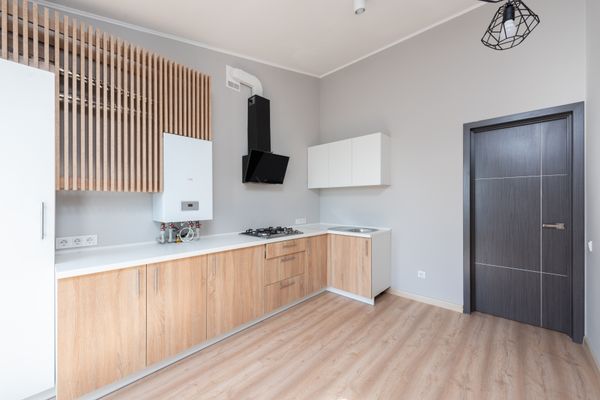
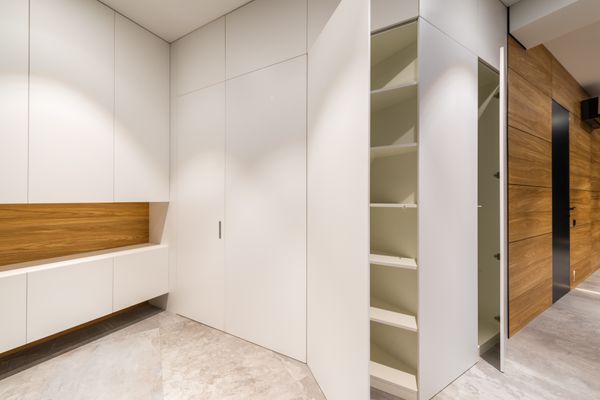
Sometimes, subject to local rules and to the clearances in the manual, and the two questions to answer are heat and access. A sealed cupboard traps the heat the battery and its electronics produce, which shortens life, and a cupboard packed with belongings makes service work impossible. If it must be indoors, a ventilated utility space is better than a wardrobe.
Does an outdoor battery lose capacity in winter?
It loses usable performance rather than permanent capacity. Cold cells deliver less power and accept charge more slowly, and units with internal heaters spend some of the stored energy keeping themselves warm. The capacity returns with the temperature, so this is a seasonal reduction in output rather than damage, provided the management system prevents cold charging.
How much clearance does a battery need?
Whatever the manufacturer specifies, and the figures exist for two separate reasons: airflow for cooling, and space for a technician to work. Ignoring them shortens life and can void the warranty. Local codes may impose additional separation from doors, windows and boundaries, and those requirements sit on top of the manufacturer specification rather than replacing it.
Editor, Power Your Roof
Daniel writes the explanatory pieces on solar basics, batteries, bills & tariffs and is unreasonably interested in the detail nobody else checks.