Bills & Tariffs
A smart meter enables things, and it does not save anything
The device measures and communicates, which is a precondition for several useful arrangements and is not itself a reduction in anything.
By Kabir Anand4 min read
What the device actually is
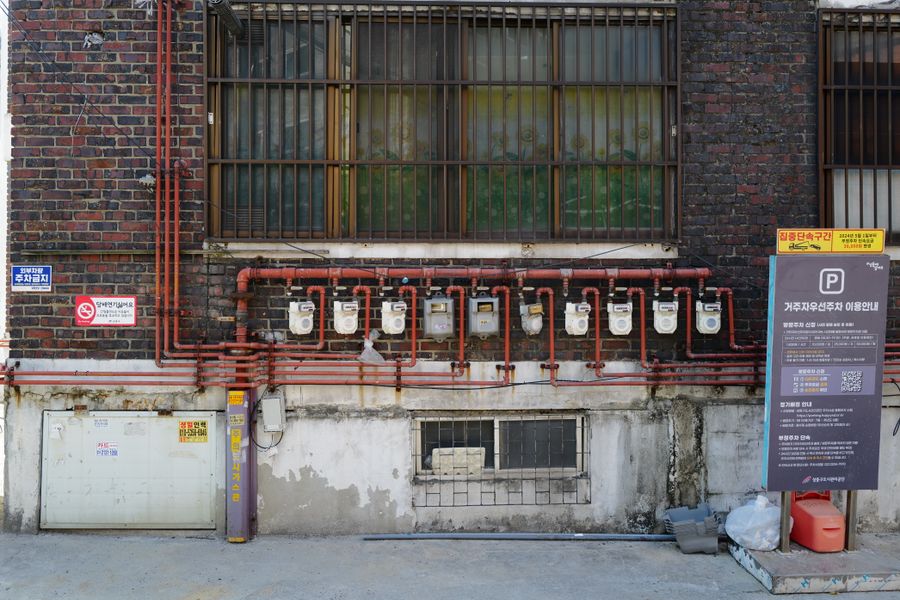
Strip away the marketing and a smart meter is a conventional meter with two additions. It records consumption in intervals rather than as a single running total, and it has a communications module that sends those readings to the supplier without anyone visiting. That is the whole of it.
The interval is the more significant of the two. A traditional meter knows how much you used since the last reading and nothing about when. An interval meter knows how much you used in each half hour or each hour, which turns a single annual number into a detailed record of the household’s behaviour.
The communications side is what removes estimated bills, and estimated bills were a real irritation rather than a real cost. Their disappearance is a convenience, and convenience isn’t a saving.
What it enables that nothing else can
Time-varying tariffs need interval data, because billing different prices at different hours is impossible without knowing which hours the energy was used in. Every dynamic, off-peak or half-hourly tariff rests on this, and in most markets a smart meter is a precondition for signing up to one.
Export payment usually needs it too. Measuring what flows out of a property, rather than estimating it, requires a meter that records both directions, and modern smart meters do. That matters for anyone with generation, since the alternative is an estimated arrangement that may not match reality.
And it makes participation in demand-side arrangements possible, where a household is rewarded for reducing consumption during particular periods. Those schemes cannot verify anything without interval data, so they simply do not exist for a property with a traditional meter. Whether any of this is worth having depends on which schemes are offered where you live.
What it does not do
It does not reduce consumption. A meter measures; it changes nothing on its own, and a household that installs one and alters no behaviour will use exactly what it used before. The claim that these devices save money is a claim about behaviour change, and behaviour change is the household’s work rather than the meter’s.
It does not identify appliances. The meter sees the total flowing through it and has no visibility of what is drawing power inside the house. Disaggregation from a whole-house signal is an active field and it is not what the device in the cupboard is doing, so anyone wanting appliance-level information needs separate monitoring.
And it does not control anything in the house. Load-control features, where they exist, are separate systems that happen to sit alongside the metering. The meter is a witness, not an actor, and keeping that distinction clear removes a great deal of confusion.
The in-home display is a habit tool with a short half-life
Most installations come with a small screen showing current power and a running cost. It is genuinely useful for a fortnight, because it is the first time most people have seen what an individual appliance costs to run, and the discovery that a kettle is enormous and a phone charger is trivial resets a lot of misplaced folklore.
Its usefulness fades quickly, which is well recognised, and the displays end up in drawers. The lasting value came from the fortnight, and if it changed which habits stuck, it did its job. It is not a monitoring system and it is not accurate enough to be one.
The cost figures on it deserve mild scepticism, because they depend on tariff information loaded into the device, and that information can be stale after a price change or a tariff switch. Treat the power reading as the reliable part and the money as an approximation.
The practical annoyances, which vary by country
Communications coverage is the first. These meters report over a network, and in areas with poor coverage the link can fail, at which point the meter is still measuring correctly but nobody is collecting the data, and estimated billing quietly returns.
Switching supplier is the second, and it has been a real problem in several markets where meters from one generation of the standard lost their smart functions when the customer moved to a supplier using different systems. That has improved considerably, and it is worth asking about before switching if you are on a tariff that depends on interval data.
The third is data, and it is a reasonable thing to think about. Half-hourly consumption is a fairly intimate record of when a household is awake, absent or asleep. Access is regulated in most jurisdictions and consent arrangements differ, and a household that would rather not share detailed data can often choose a coarser collection frequency, at the cost of the tariffs that need the detail.
Common questions
Can I refuse a smart meter?
In many jurisdictions yes, though the position varies and is changing, and in some places replacement at end of life is effectively mandatory. The practical consequence of refusing is exclusion from tariffs that require interval data, which for a household with solar or a car can be a meaningful cost rather than a matter of principle.
Are smart meters accurate?
They are type-approved to the same legal standards as the meters they replace, and disputes are usually about interpretation rather than measurement. When a bill jumps after installation, the common explanation is that previous estimated readings were too low and the account has caught up, which feels like an accuracy problem and is not one.
Does it need to be replaced when I install solar?
It may, if the existing meter cannot record export or handles reverse flow badly, and a modern smart meter usually can. This is a question to settle with the supplier before commissioning, because discovering afterwards that export has been billed as import is an unpleasant way to learn about your own metering.
Consumer editor, Power Your Roof
Kabir covers solar basics, batteries, bills & tariffs and the questions readers actually send in and is happiest when a piece answers the question completely.